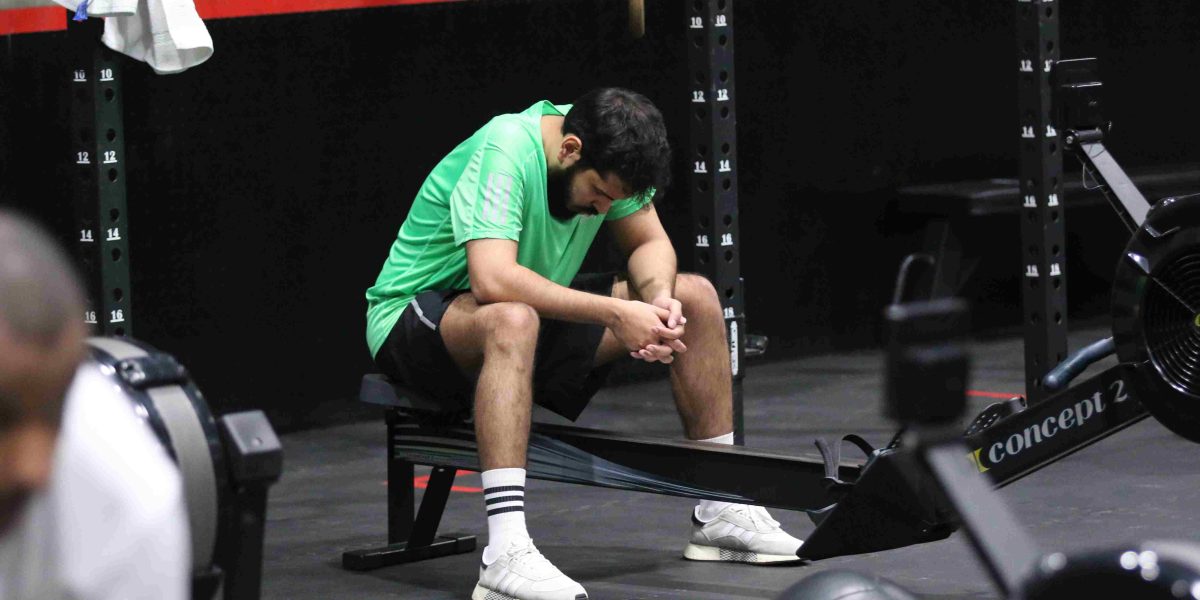
Fatigue often arrives quietly during a workout. The first few sets feel manageable, breathing stays steady, and the muscles respond exactly as expected. Gradually the weight feels heavier, movement slows down, and the body begins sending signals that it wants relief.
That moment creates an internal debate. The muscles start protesting while the mind insists that more effort is possible. Anyone who trains seriously has felt this tension between physical limits and mental determination.
This conflict defines the question behind when your body says stop and your mind says go: who wins? The answer is rarely simple because both signals carry important meaning. Progress often depends on learning when to push through discomfort and when to respect the body’s warning signs.
The Body Sends Early Warnings
Physical fatigue usually begins with small signs that appear during training. Muscles start burning slightly, breathing becomes heavier, and movements lose a bit of their smooth rhythm. These signals indicate that the body is working harder than before.
At first, these sensations are normal responses to effort. Muscles accumulate fatigue as energy stores decline and waste products build up inside the fibers. This stage does not necessarily mean that stopping is required.
Recognizing these early signals becomes important in answering when your body says stop and your mind says go: who wins? The body may be asking for caution, but it is not always demanding surrender.
Mental Strength Pushes Past Comfort
Training progress often demands moving beyond comfortable effort. Muscles grow stronger only when challenged beyond their usual workload. This requirement means that some level of discomfort becomes unavoidable.
The mind plays a crucial role during these moments. Mental determination encourages the body to continue even when fatigue starts creeping in. A strong mindset allows an athlete to finish a difficult set or complete a demanding workout.
This mental push shapes much of the debate behind when your body says stop and your mind says go: who wins? Determination can reveal strength that initially seemed unavailable.
The Difference Between Pain And Effort
Not all discomfort during exercise carries the same meaning. The burning sensation during intense repetitions often reflects temporary fatigue rather than injury. Muscles recover quickly once the effort ends.
Sharp or sudden pain tells a very different story. That type of signal often indicates strain, joint stress, or potential injury. Ignoring these warnings can lead to long recovery periods and lost training time.
Distinguishing these sensations helps answer when your body says stop and your mind says go: who wins? The mind may encourage pushing through fatigue, but genuine pain deserves respect.
Growth Lives Near The Edge
Physical adaptation tends to occur near the boundary between comfort and exhaustion. Training that remains easy rarely stimulates meaningful progress. The body simply maintains its current ability when effort stays mild.
Approaching this edge forces muscles to adapt. Strength improves as fibers repair and rebuild stronger after challenging sessions. Endurance increases as the body becomes more efficient under stress.
This process connects directly to when your body says stop and your mind says go: who wins? The mind often pushes the body toward that edge where real growth begins.
Mental Barriers Appear Before Physical Limits
The mind frequently attempts to protect the body from discomfort. During difficult workouts, thoughts of quitting can appear even though the muscles still have strength available. This protective instinct can limit performance.
Pushing beyond these mental barriers sometimes reveals hidden capacity. Athletes often discover that they can complete more repetitions or continue longer than they originally believed possible.
This experience reinforces the idea behind when your body says stop and your mind says go: who wins? The mind can expand perceived limits when it refuses to surrender too early.
Discipline Guides The Decision
Pure stubbornness does not always lead to smart training decisions. Determination must work alongside discipline and awareness. Experienced athletes develop the ability to judge whether pushing forward is productive or risky.
Discipline means finishing sets with full effort while still maintaining proper form. It also means recognizing moments when fatigue begins affecting technique or increasing injury risk.
This balance plays a central role in when your body says stop and your mind says go: who wins? The most effective answer often lies between blind persistence and cautious restraint.
Recovery Signals Must Be Heard
Hard training places significant stress on muscles, joints, and the nervous system. Recovery allows the body to repair itself and return stronger for future workouts. Ignoring recovery signals eventually leads to burnout or injury.
Persistent fatigue, declining performance, or constant soreness often indicate that the body needs rest. Continuing to push without recovery may reduce progress rather than accelerate it.
This reality adds complexity to when your body says stop and your mind says go: who wins? Sometimes the smartest victory belongs to the body requesting recovery.
Mental Toughness Still Matters
Despite the importance of recovery, mental toughness remains a powerful asset in training. Difficult workouts demand concentration, patience, and resilience. Without these qualities, progress becomes slow and inconsistent.
Mental strength helps athletes finish challenging sets, maintain discipline, and stay committed during long periods of gradual improvement. These traits often determine who continues improving and who gives up early.
This influence keeps the debate alive around when your body says stop and your mind says go: who wins? Mental determination often pushes performance beyond comfortable boundaries.
The Role Of Experience
Experience gradually refines judgment during intense training. Beginners may struggle to distinguish between productive effort and harmful strain. Over time, patterns become easier to recognize.
Athletes learn how their bodies respond to fatigue, how quickly recovery occurs, and which sensations require caution. This knowledge improves decision making during demanding workouts.
Experience provides clarity in the question of when your body says stop and your mind says go: who wins? The answer becomes more accurate as awareness grows.
Confidence Builds Through Challenges
Facing difficult workouts strengthens both body and mind. Completing demanding sets proves that perseverance leads to success. Each challenge overcome builds confidence for future training.
Confidence encourages athletes to trust their ability to push further when necessary. The mind becomes less intimidated by fatigue because previous experience has demonstrated what is possible.
This growing confidence influences when your body says stop and your mind says go: who wins? The mind gains credibility once it consistently leads the body through successful challenges.
Balance Between Push And Respect
The most effective training approach blends determination with awareness. Pushing beyond comfort drives progress, but respecting physical limits protects long term health. Both forces must work together.
Athletes who ignore discomfort entirely risk injury and burnout. Those who avoid difficult effort rarely unlock their full potential. Finding balance between these extremes creates sustainable improvement.
This balanced perspective helps answer when your body says stop and your mind says go: who wins? Neither side dominates permanently because both provide valuable information.
The Ongoing Battle Inside Training
Intense workouts will always involve a conversation between physical fatigue and mental determination. Muscles communicate through sensation while the mind evaluates whether the effort should continue. That dialogue shapes every challenging session.
Sometimes the mind wins, pushing through fatigue to complete the final repetitions. Other times the body wins, signaling that recovery must come before further effort. Each situation requires thoughtful judgment.
When your body says stop and your mind says go: who wins? The answer depends on awareness, experience, and discipline. True strength emerges from knowing when to push forward and when to step back, allowing both body and mind to work together toward long term progress.
