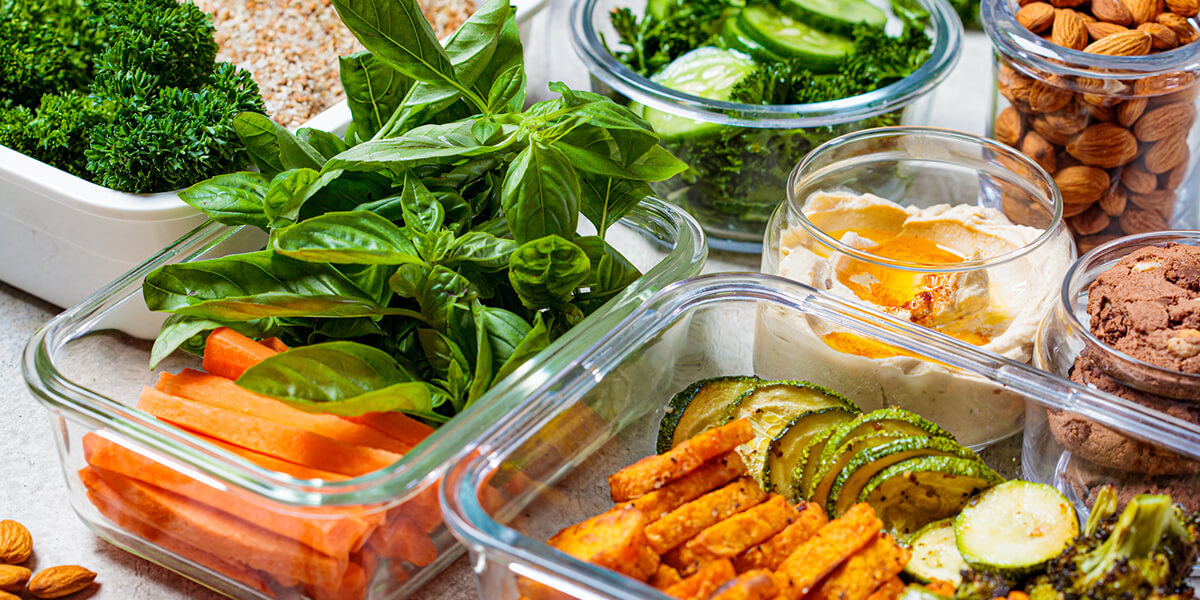
Food decisions quietly shape training progress, energy levels, and recovery after workouts. Yet the idea of spending hours cooking and packing containers for the week feels exhausting to many people. Kitchens full of plastic containers and perfectly portioned meals often look impressive on social media, but they rarely reflect the reality of busy schedules and limited motivation. A more flexible system works better for those who want the benefits of preparation without turning Sunday into a cooking marathon.
I resisted structured food prep routines for a long time because they felt rigid and repetitive. Eating the same meals day after day drained the enjoyment out of food and eventually led to abandoning the routine entirely. After enough trial and error, a simpler system started to form that provided structure without making life revolve around food containers.
Meal prep for people who hate meal prep focuses on efficiency rather than perfection. The goal is not to transform the kitchen into a meal production factory. Instead, it revolves around reducing daily decisions, saving time, and maintaining enough flexibility to avoid burnout.
Why Traditional Meal Prep Fails For Many People
Classic meal prep advice often promotes a very strict routine. Large batches of identical meals are cooked at once, portioned into containers, and stored for the entire week. This method works well for some individuals, particularly those who enjoy routine and predictability.
For many others, however, repetition becomes the biggest problem. Eating the same chicken, rice, and vegetables five days in a row quickly turns meals into chores. Motivation fades as soon as boredom enters the equation.
Time commitment also discourages people from sticking with traditional systems. Spending several hours cooking on one day of the week can feel overwhelming, especially after a long workday or busy weekend. A strategy that demands too much time at once often collapses within a few weeks.
The Real Purpose Behind Food Preparation
The core purpose of food preparation often gets lost in complicated routines. The real goal is simply to make healthier choices easier during busy days. If meals are partially ready or ingredients are already available, grabbing nutritious food becomes much simpler.
I started looking at food prep through that lens rather than trying to imitate elaborate online routines. Preparing a few ingredients in advance often saves just as much time as preparing full meals. That shift removed a lot of pressure and made the process far more sustainable.
Consistency matters far more than perfection. A simple system that works week after week beats an ambitious plan that collapses after a few attempts.
The Ingredient Prep Strategy
One of the easiest ways to simplify food preparation involves preparing ingredients rather than entire meals. Cooking large batches of protein, grains, or vegetables provides flexible building blocks that can be combined in different ways throughout the week.
Grilled chicken, roasted potatoes, cooked rice, or chopped vegetables can appear in multiple meals without feeling repetitive. A bowl one day might turn into a wrap or stir fry the next. This approach reduces monotony while still saving time.
I found that spending thirty to forty minutes preparing a few core ingredients created enough structure for several days of meals. Instead of opening identical containers every day, I could assemble meals based on mood and appetite.
The Two-Day Cooking Rule
Preparing food for an entire week often leads to fatigue and food boredom. A more manageable approach involves cooking smaller batches every two or three days. This system keeps meals fresher while preventing the kitchen from becoming an overwhelming weekend project.
The two-day cooking rule also fits better with unpredictable schedules. Plans change, cravings shift, and social events appear unexpectedly. Cooking smaller batches leaves room for flexibility without wasting food.
Adopting this rhythm made meal prep feel far less intimidating. A quick cooking session on Sunday and another on Wednesday created enough structure for the week without turning food preparation into a marathon.
The Rotating Meal Formula
One major problem with traditional meal prep lies in limited variety. Rotating a small set of simple meals can solve this issue without complicating the process. Instead of repeating identical dishes daily, a handful of combinations cycle throughout the week.
A few protein options, several carbohydrate sources, and multiple vegetables create dozens of possible meals. Mixing these elements keeps food interesting while still relying on prepared ingredients.
This rotation keeps the system simple while avoiding the boredom that destroys many meal prep routines. Variety returns to meals without increasing the workload in the kitchen.
Grocery Shopping Made Simpler
A complicated shopping list often leads to abandoned meal prep plans. Buying a small set of versatile ingredients simplifies both cooking and planning. Foods that work in multiple meals provide the most value.
Proteins such as chicken, eggs, beans, or fish can appear in breakfasts, lunches, or dinners. Carbohydrate sources like rice, potatoes, oats, or whole grain bread provide energy for training and daily activities. Vegetables and fruits fill out meals with nutrients and flavor.
I began building shopping lists around categories rather than specific recipes. This approach allowed flexibility while still ensuring that nutritious options were always available at home.
The Lazy Protein Method
Protein remains one of the most important nutrients for recovery and muscle growth. Preparing protein sources in advance dramatically simplifies daily meals. Cooking several portions at once saves time and reduces decision fatigue later in the week.
Roasted chicken thighs, baked salmon, or hard-boiled eggs can sit in the refrigerator ready for quick meals. These options require minimal effort once prepared and pair easily with different sides.
The lazy protein method became one of the most useful habits in my routine. Having ready-to-eat protein available eliminated the temptation to skip balanced meals during busy days.
Breakfast Without Morning Stress
Morning meals often suffer from lack of preparation. Busy schedules make it tempting to skip breakfast or grab something low in nutrients. Preparing breakfast components ahead of time removes that daily decision.
Overnight oats, boiled eggs, yogurt bowls, or pre-cut fruit create fast options that require little effort in the morning. These meals take minutes to assemble when ingredients are already available.
This small change improved both energy levels and consistency in daily nutrition. Breakfast stopped feeling like an obstacle and became an easy part of the routine.
Smart Shortcuts That Save Time
Convenience foods sometimes receive criticism in nutrition conversations, but they can play a useful role in simple food preparation. Pre-washed vegetables, frozen fruits, and ready-to-cook grains reduce preparation time significantly.
Frozen vegetables in particular provide a practical option. They last longer than fresh produce and require minimal preparation before cooking. Many retain excellent nutritional value because they are frozen shortly after harvesting.
Using these shortcuts removed unnecessary steps from my routine. Meal prep became faster and far less intimidating once perfection stopped being the goal.
The Power Of Simple Meals
Complicated recipes often discourage consistent cooking. Meals with five or fewer ingredients can still taste satisfying while remaining easy to prepare. Simplicity reduces both preparation time and mental effort.
Grilled chicken with rice and vegetables remains popular for a reason. It provides balanced nutrition and takes little time to assemble. Adding sauces, herbs, or spices can transform the same basic ingredients into different flavors.
I gradually moved toward simpler meals and discovered that they worked just as well for fueling workouts and recovery. The reduced effort made it easier to maintain consistency over time.
Containers Without The Chaos
Social media often shows refrigerators packed with perfectly organized containers. While visually appealing, that level of organization can feel unnecessary for many people. A few durable containers usually provide enough storage for prepared ingredients.
Using separate containers for proteins, grains, and vegetables increases flexibility. Meals can be assembled quickly without committing to identical portions ahead of time.
This approach also saves space and reduces the time spent portioning food. The refrigerator remains organized without turning into a storage warehouse for prepackaged meals.
Flexibility Keeps The System Alive
Rigid systems tend to collapse under real life pressures. Travel, social events, and unexpected schedule changes can disrupt even the most carefully planned routines. Flexible meal prep allows adjustments without abandoning the entire system.
Some days involve home-cooked meals, while others may include restaurant food or quick snacks. A balanced perspective prevents guilt from interfering with long-term habits.
Meal prep for people who hate meal prep thrives on adaptability. The system works best when it supports life rather than trying to control it completely.
Progress Over Perfection
Nutrition habits often fail because people expect perfection from the start. Missing a cooking session or eating an unplanned meal sometimes leads to abandoning the routine entirely. A more forgiving mindset helps maintain consistency.
I started focusing on progress rather than strict rules. Preparing food a few times each week already created a noticeable improvement in diet quality. Small improvements added up quickly.
Removing the pressure of perfection made the process far more sustainable. The routine became part of daily life instead of another task demanding constant attention.
Why Meal Prep For People Who Hate Meal Prep Actually Works
Traditional systems often assume that everyone enjoys cooking and routine. Many people simply want practical ways to eat well without turning their kitchens into production lines. A simplified approach meets that need.
Meal prep for people who hate meal prep centers on reducing friction. Preparing ingredients, rotating simple meals, and using time-saving shortcuts remove the biggest barriers to consistent nutrition.
Fitness progress depends heavily on long-term habits rather than short bursts of motivation. A relaxed and flexible preparation system supports those habits without draining enthusiasm.
Food preparation does not need to look impressive or perfectly organized. What matters most is having nutritious options available during busy days. Once that goal becomes the focus, meal prep transforms from a dreaded task into a practical tool that quietly supports training, energy, and overall health.
