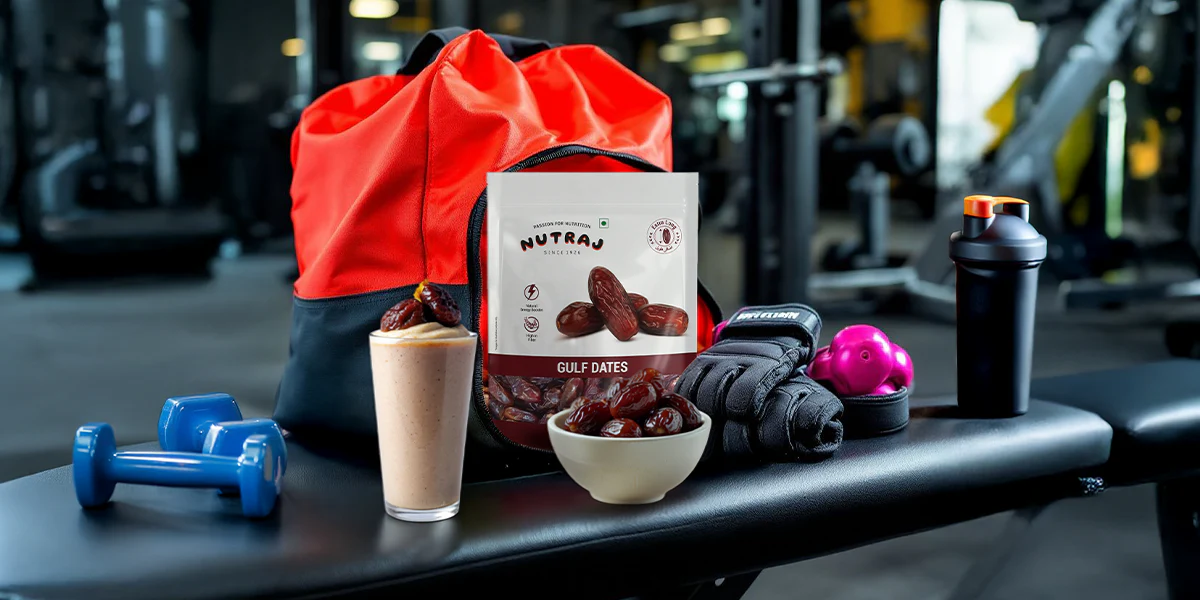
Nutrition advice often sounds expensive. Many fitness articles talk about organic foods, specialty supplements, protein powders, and expensive meal plans that assume unlimited grocery budgets. That image creates the impression that proper athletic nutrition only exists for people who can afford premium ingredients.
Reality looks very different. Some of the strongest athletes, manual laborers, and physically active people in the world fuel themselves with simple meals built from affordable ingredients. Performance comes from consistency, not luxury.
The idea behind how to eat like an athlete on a $50-a-week budget begins with shifting focus away from fancy foods and toward practical nutrition. Calories, protein, carbohydrates, and micronutrients matter far more than trendy ingredients or brand names. Once those priorities are clear, building an effective weekly food plan becomes much easier.
Prioritizing Calories And Nutrient Density
Physical training demands energy. Strength workouts, running sessions, cycling, and other forms of exercise all require sufficient calories to sustain performance and recovery. The challenge with a limited budget is finding foods that deliver enough energy without draining the wallet.
Affordable staples often provide the best solution. Rice, oats, potatoes, beans, lentils, eggs, and seasonal vegetables deliver a huge amount of nutrition per dollar. These foods may not appear glamorous, but they form the backbone of many high-performing diets.
Focusing on nutrient density means selecting foods that provide both calories and valuable nutrients like fiber, vitamins, and minerals. Whole foods accomplish this far more effectively than packaged snacks or convenience meals.
Once these staples become the foundation of weekly meals, the grocery budget stretches surprisingly far.
Building Meals Around Affordable Protein
Protein plays a crucial role in muscle repair, strength development, and recovery after workouts. Many people assume high protein diets require expensive foods such as steak, salmon, or specialty supplements.
Budget-friendly protein sources exist in abundance. Eggs remain one of the most affordable and complete protein foods available. A dozen eggs can support several meals while delivering high-quality amino acids.
Beans and lentils offer another powerful option. These plant-based proteins also contain fiber and complex carbohydrates, making them extremely satisfying and nutritious. Cooking them in large batches can provide meals for several days.
Chicken thighs or whole chickens often cost significantly less than chicken breast. They deliver similar protein content and can be used in soups, rice dishes, or simple roasted meals.
Balancing several affordable protein sources throughout the week helps maintain a steady supply of nutrients without overspending.
Carbohydrates That Fuel Training
Athletes rely heavily on carbohydrates to power workouts. Muscles store carbohydrates as glycogen, which becomes the primary fuel during intense exercise.
Budget carbohydrate sources are some of the easiest foods to find. Rice stands out as one of the most economical options available. A large bag can provide dozens of servings and pairs well with nearly any protein or vegetable.
Oats serve as another excellent staple. They provide slow-digesting carbohydrates that support steady energy levels. A simple bowl of oatmeal with fruit can fuel a morning workout or serve as a filling breakfast.
Potatoes also deserve attention in an athletic diet. They provide potassium, vitamin C, and carbohydrates while remaining extremely affordable in most grocery stores.
These foods supply the energy required for training while keeping the weekly food budget under control.
Planning The Grocery List Before Shopping
Walking into a grocery store without a plan almost guarantees overspending. Impulse purchases and convenience foods quickly inflate the total cost of the cart.
Planning meals before shopping helps maintain control over the budget. Listing ingredients required for the week eliminates unnecessary purchases and ensures every item serves a purpose.
A typical weekly list might include rice, oats, eggs, dried beans or lentils, chicken thighs, potatoes, frozen vegetables, bananas, and a few seasonal produce items. These ingredients can be combined in multiple ways to create a variety of meals.
Sticking to a simple list makes it much easier to keep spending within the fifty-dollar limit.
Cooking In Bulk Saves Time And Money
Batch cooking becomes a powerful strategy when eating on a tight budget. Preparing large portions of food reduces the need for daily cooking while ensuring meals remain readily available.
Large pots of rice, beans, or lentils can be prepared at the start of the week. These staples can then be combined with different proteins and vegetables to create varied meals throughout the week.
Roasting a whole chicken or cooking several chicken thighs at once provides protein for multiple days. Leftover meat can be added to rice bowls, salads, or soups.
Bulk cooking also reduces the temptation to buy takeout meals. Having prepared food available makes it easier to stay within the grocery budget.
Frozen Vegetables Provide Affordable Nutrition
Fresh produce sometimes becomes expensive depending on the season or location. Frozen vegetables often provide a more consistent and affordable alternative.
These vegetables are usually frozen shortly after harvesting, which preserves much of their nutritional value. They also last longer than fresh produce, reducing the risk of food waste.
Broccoli, spinach, mixed vegetables, and green beans commonly appear in frozen sections at reasonable prices. Adding these vegetables to rice bowls or stir-fries increases both nutrition and flavor.
Frozen options make it easier to include vegetables in daily meals without stretching the grocery budget.
Simple Meals That Support Athletic Performance
Expensive recipes are not required to fuel effective training. Simple meals built from affordable ingredients can deliver everything the body needs.
A bowl of rice, beans, vegetables, and eggs provides carbohydrates, protein, and fiber in a balanced combination. This type of meal supports both energy levels and recovery.
Oatmeal topped with bananas or peanut butter creates a satisfying breakfast that fuels morning workouts. It digests slowly and keeps hunger under control for hours.
Chicken and potato dishes supply protein and carbohydrates that help rebuild muscles after intense sessions. These meals require minimal preparation while delivering substantial nutrition.
Consistency with simple meals often produces better results than constantly experimenting with complicated recipes.
Avoiding Expensive Convenience Foods
Convenience foods often appear inexpensive at first glance, but their cost adds up quickly over time. Individual snack bars, packaged meals, and bottled drinks can consume a large portion of the weekly budget.
Preparing meals at home usually costs far less per serving. Even simple homemade snacks like boiled eggs, fruit, or homemade oatmeal outperform packaged alternatives in both cost and nutrition.
Beverages also deserve attention. Water remains the most effective hydration source and costs far less than sports drinks or flavored beverages.
Eliminating unnecessary convenience items frees up more money for nutrient-dense foods that support training.
Making The Most Of Leftovers
Food waste quietly drains grocery budgets. Leftovers that sit in the refrigerator until they spoil represent lost money and lost nutrition.
Repurposing leftovers into new meals helps prevent this problem. Rice from the previous day can become fried rice with eggs and vegetables. Chicken leftovers can turn into soups or wraps.
Creative reuse of ingredients keeps meals interesting while ensuring every dollar spent on groceries contributes to nutrition.
Planning meals with leftovers in mind also simplifies cooking during busy training weeks.
Supplement Hype Is Not Necessary
Fitness marketing often promotes supplements as essential for athletic nutrition. Protein powders, pre-workout drinks, and specialized recovery formulas appear everywhere in the fitness world.
Most athletes can meet their nutritional needs through whole foods alone. Eggs, beans, dairy products, and lean meats provide high-quality protein without requiring expensive supplements.
Carbohydrates from rice, oats, and potatoes fuel workouts just as effectively as expensive energy products.
Supplements can have their place in certain situations, but they are rarely required for strong performance.
Consistency Beats Perfection
A fifty-dollar weekly budget does not require perfect meal planning. The key lies in maintaining consistent habits that support training and recovery.
Eating balanced meals regularly ensures the body receives a steady supply of nutrients. This consistency supports muscle repair, energy levels, and overall performance.
Occasional adjustments may be necessary depending on food prices or training demands. Flexibility allows the budget to adapt without abandoning healthy eating habits.
Over time, simple routines built around affordable foods create reliable results.
Final Thoughts
Athletic nutrition does not depend on expensive ingredients or elaborate meal plans. Strong performance comes from balanced meals, sufficient calories, and consistent habits that support training.
How to eat like an athlete on a $50-a-week budget becomes realistic once priorities shift toward affordable staples such as rice, oats, eggs, beans, potatoes, and seasonal vegetables. These foods deliver the nutrients required for strength, endurance, and recovery.
Planning meals, cooking in bulk, and avoiding unnecessary convenience foods help stretch the grocery budget while maintaining quality nutrition.
Fitness progress depends far more on consistency than luxury. Simple meals prepared with intention can fuel powerful workouts, support recovery, and prove that effective nutrition does not need to be expensive.
